



Legislators must prepare now to protect against flooding and monster storms
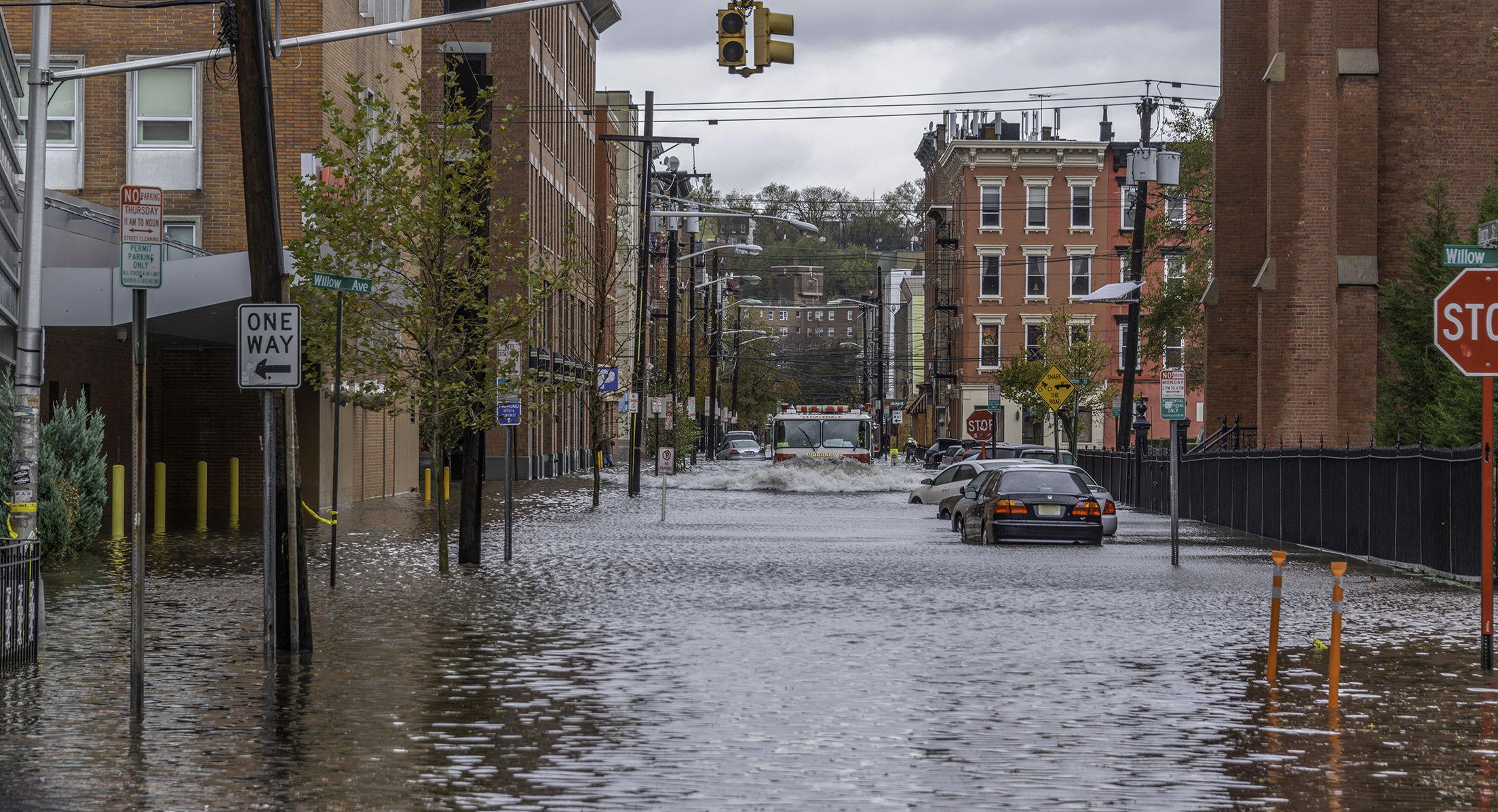
Congress needs to act on National Flood Insurance Program revisions by Nov. 21.
Here’s why they need to hear your voice.
Preparedness in advance of climate change and rising sea levels is important to everyone, regardless if you live in one of the urban areas, by the shore, or in a flood plain. No one escapes disaster on the scale we’ve seen too often in this century’s worst storms.
Just ask residents of Texas, Florida, South Carolina and several Caribbean islands, including Puerto Rico. Floods paralyze entire regions, raise prices on commodities and devastate economies.
In 2017 alone, our nation suffered more than $300 billion in damages because of extreme events, primarily flooding and coastal storms, according to the National Oceanic and Atmospheric Administration.
Congress is evaluating the National Flood Insurance Program (NFIP) based on real risk and affordability for those who need it most. If they act, new insurance guidelines and rates should go into effect next year.
Tell your representatives that comprehensive reform of the NFIP is an important first step in this battle.
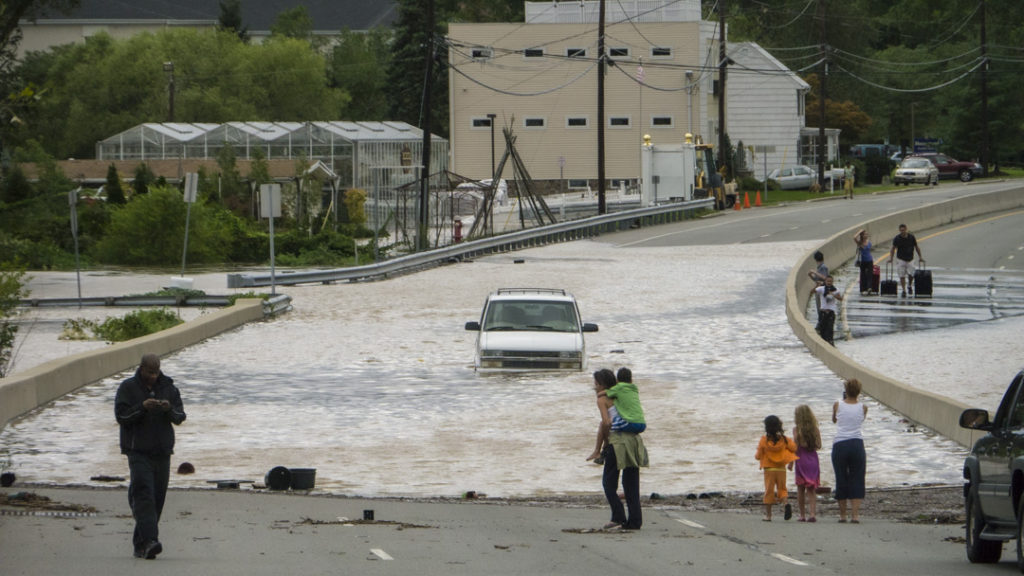
Flood Insurance is only a first step
Here’s what needs to happen next
National Flood Insurance Reform is just one piece in the larger resilience puzzle. We also need to:
- Improve the applicability of the NFIP to urban coastlines.
- Increase clear and direct communication about the danger of flood risk and the importance of insurance coverage.
- Continue to review policies and incentives to ensure responsible building practices.
- Discourage construction in the riskiest, most flood-prone areas.
- Offer incentives for investments in projects and programs that build our resilience.
- Harden coastlines against flooding before it occurs.
- Provide resources and assistance for low- and moderate-income homeowners and environmental justice communities.
Join with like-minded individuals dedicated to promote sensible, proactive strategies for managing our flood risk and learn ways you can join the fight and take steps to achieve greater resilience in our cities and towns.
Two great places to start are the Waterfront Alliance and its regional initiative, The Resilience Task Force.
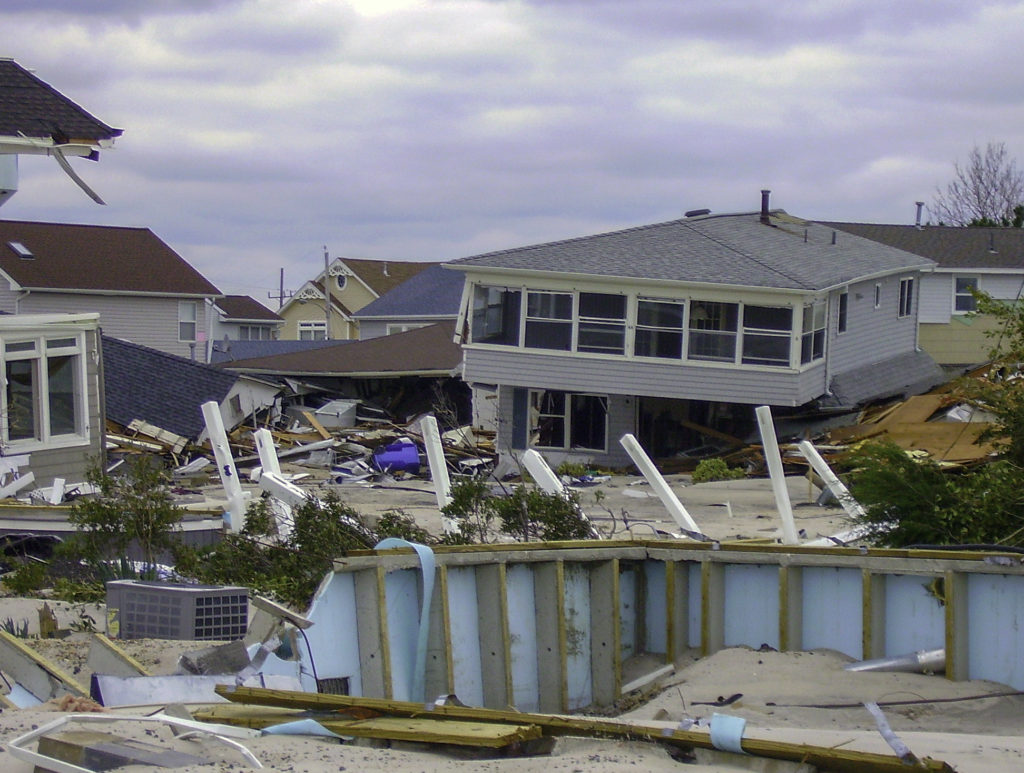
Our response, as mayors of three of New Jersey’s most flood-prone cities? First, understand and communicate our risks associated with climate change. Second, develop policies and incentives to move us away from our riskiest areas and building practices. Third, invest in projects and programs that build our resilience.
Contact your Congressperson
Go on record with your congressional representatives. Tell them to protect us all against the ravages of climate change and rising sea levels.
NJ 01 – Donald Norcross
Cherry Hill office: 856-427-7000
norcross.house.gov
Twitter: @DonaldNorcross
NJ 02 – Jeff Van Drew
Mays Landing office: 609-625-5008
VanDrew.House.gov
Twitter: @CongressmanJVD
NJ 03 – Andy Kim
Toms River office: 732-504-0490
Willingboro office: 856-703-2700
Kim.House.gov
Twitter: @repandykimnj
NJ 04 – Christopher H. Smith
Hamilton Office: 609-585-7878
Ocean County office: 609-286-2571
Monmouth County office: 732-780-3035
ChrisSmith.House.gov
Twitter: @repchrissmith
NJ 05 – Josh Gottheimer
Glen Rock office: 201-389-1100
Newton office: 973-940-1117
gottheimer.house.gov
Twitter: @joshgottheimer
NJ 06 – Frank Pallone, Jr.
Long Branch office: 732-571-1140
New Brunswick office: 732-249-8892
pallone.house.gov
Twitter: @frankpallone
NJ 07 – Tom Malinowski
Somerville office: 908-547-3307
malinowski.house.gov
Twitter: @repmalinowski
NJ 08 – Albio Sires
Jersey City office: 201-309-0301
West New York office: 201-558-0800
Elizabeth office: 908-820-0692
sires.house.gov
Twitter: @repsires
NJ 09 – Bill Pascrell, Jr.
Paterson office: 973-523-5152
Englewood office: 201-935-2248
Lyndhurst office: 201-935-2248
Passaic office: 973-472-4510
pascrell.house.gov
Twitter: @BillPascrell
NJ 10 – Donald M. Payne, Jr.
Newark office: 973-645-3213
Jersey City office: 201-369-0392
Hillside office: 862-229-2994
payne.house.gov
Twitter: @repdonaldpayne
NJ 11 – Mikie Sherrill
Parsippany office: 973-526-5668
sherrill.house.gov
Twitter: @repsherrill
NJ 12 – Bonnie Watson Coleman
Ewing office: 609-883-0026
watsoncoleman.house.gov
Twitter: @repbonnie
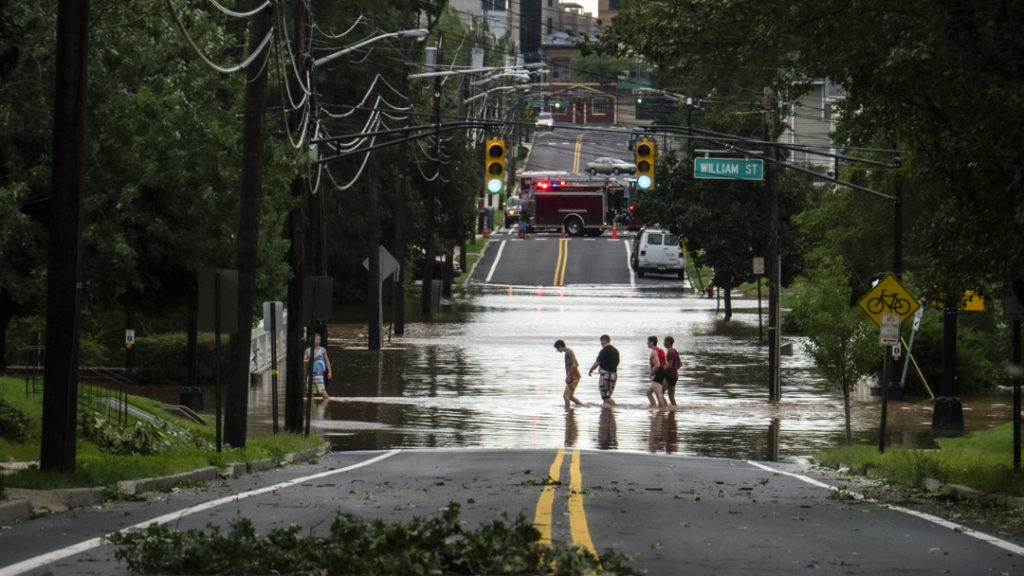
“500-Year Floods” aren’t what they used to be
If you thought a “500-year-storm” only happens once every five hundred years, think again.
A “500-year storm” only means that a flood has a one in five-hundred chance of occurring in a given location during a given year. As temperatures rise, along with sea levels, the frequency of “monster” storms has increased in recent years.
Ask residents of Houston, which has had three “500-Year-Floods” in three years.
The risks associated with climate change are real.
Failure to prepare for future flooding in the face of what we have seen already would signal a failure of government.
Tell your Senator and Congressional representatives to protect our homes and our economy.